1. Stay safe
Stay off the roof. Watch for downed power lines, and keep away from damaged trees and structures.
2. Document the damage
From the ground, take photos and video of any damage you can see: missing shingles, dents, damaged gutters, fallen branches and any damage inside. Note the date of the storm.
3. Protect your home from further damage
Where it is safe, contain interior leaks and move belongings. A roofer can place temporary protection over exposed areas. Keep receipts for emergency repairs.
4. Contact your insurance company
Read your policy and note any claim deadlines. Your insurer will explain its process. A roofer can inspect and document damage, but coverage is decided by your policy and insurer, and nobody can promise an outcome.
5. Get a professional inspection
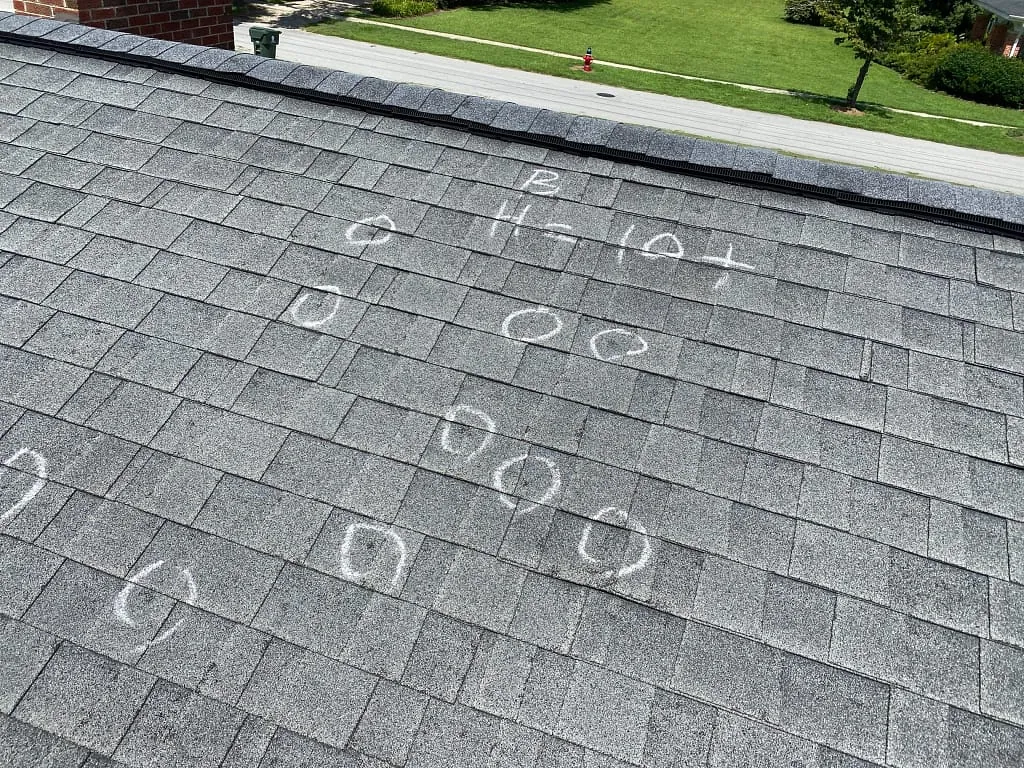
Damage is not always visible from the ground. A roofer who works on roofs every day can find lifted shingles, bruising and flashing damage. Get the findings in writing or with photos.
6. Choose your roofer carefully
After storms, out-of-area crews often go door to door. Check that a contractor is licensed in Virginia, has a local address you can verify, gives you a written estimate, and does not demand a large payment before work begins.
Common questions
Should I tarp my own roof?
No. It is dangerous. Call a roofer who can do it safely.
How long do I have to file a roof claim?
It depends on your policy. Check your policy or ask your insurer about the deadline.
Inspections and estimates are free. We will tell you what we find, including when nothing needs doing.