What you get for the higher price
Metal costs more than asphalt shingles to install. In return it typically offers:
- A much longer service life, commonly 40 to 70 years or more
- Resistance to wind, heavy rain, and snow, which sheds readily
- Fire resistance, because metal is non-combustible
- Solar reflectance that can help reduce cooling costs
- Low maintenance, with no shingles to curl or lose granules
- Recyclability at the end of life
Standing seam, corrugated or metal shingles?
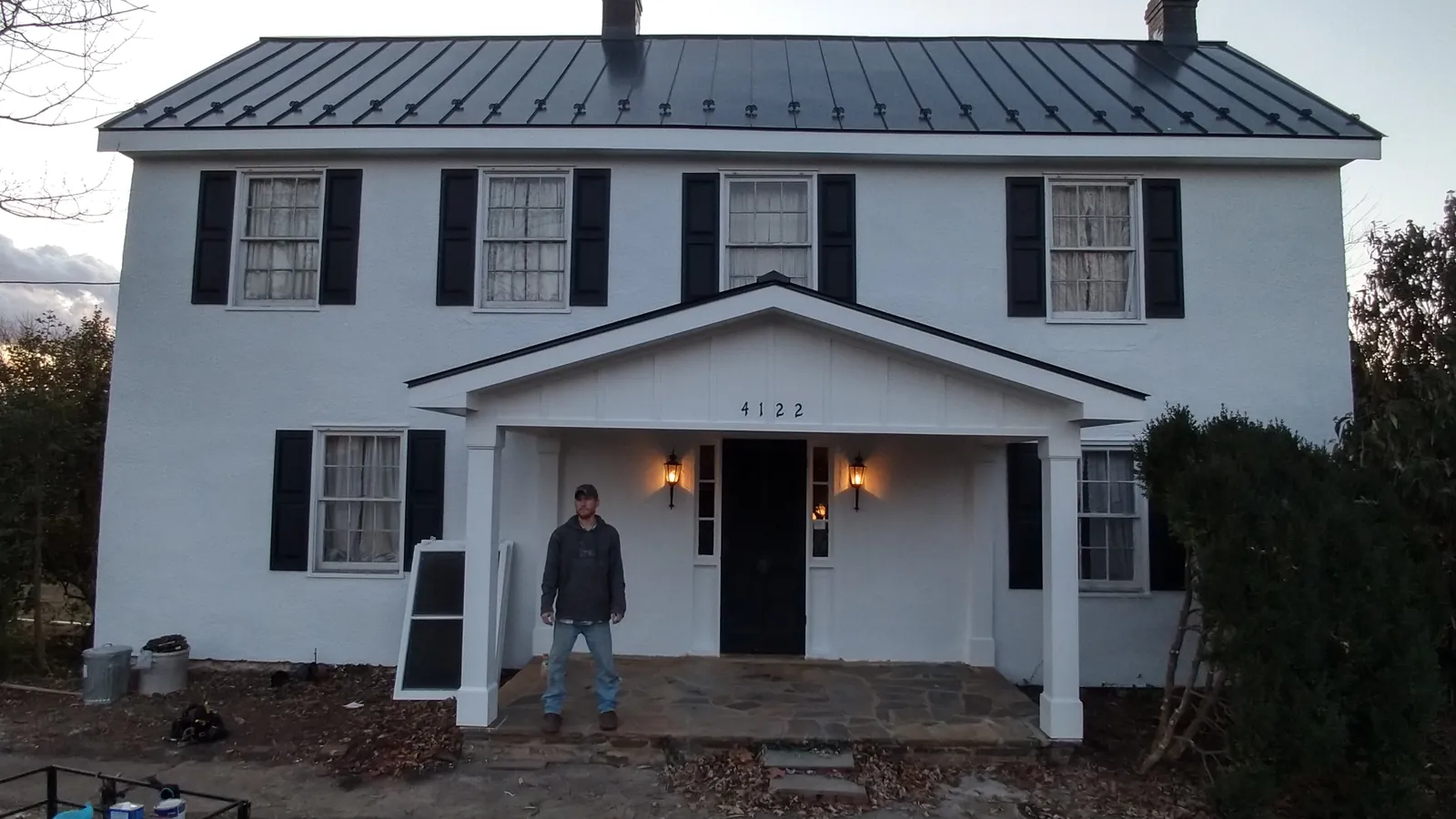
Standing seam is the premium residential choice: vertical panels with raised, locking seams and concealed fasteners. Corrugated metal is more affordable and lightweight, and is common on barns and outbuildings. Metal shingles imitate shingles or tile with the durability of metal.
Which metal and which paint?
Galvalume steel is the usual choice for residential roofs. Aluminum suits coastal areas, and copper is a premium material that can last more than a century. On the finish, PVDF (often sold as Kynar) resists fading and UV better than SMP paint, and is the usual choice for high-end work.
The honest trade-offs
Metal is not for everyone. It has a higher up-front cost, installation quality matters a great deal, and some oil canning, a cosmetic waviness in flat panel areas, can occur on any metal roof. If you are planning to move in a few years, you may not recoup the difference.
Common questions
Are metal roofs loud in the rain?
Not when properly installed over solid decking and underlayment. They are not noticeably louder than asphalt shingles.
Can a metal roof be installed over an existing roof?
Sometimes, depending on local code and the condition of what is underneath. A roofer should inspect first and explain the trade-offs.
Inspections and estimates are free. We will tell you what we find, including when nothing needs doing.